On Monday, May 12th, the Central European Academy had the honour of hosting Prof. JUDr. PhDr. Peter Potasch, an esteemed expert in administrative law, who delivered a lecture titled “Administrative Judiciary in the Slovak Republic – Selected Topics and Issues.” The lecture offered valuable insight into the structure, functions, and current challenges of the Slovak administrative judiciary, particularly focusing on the role of the Supreme Administrative Court (SAC).
Prof. Potasch began by outlining the relatively recent establishment of the SAC and its significance in the Slovak legal system. He explained the jurisdiction and key agendas of the SAC, including electoral matters, disciplinary proceedings against judges and prosecutors, and cases concerning political party activities. The lecture also addressed procedural aspects, such as the cassation procedure, where participants learned that a cassation panel is typically composed of three judges.
One of the parts of the lecture involved discussion on the role of lay-judges in certain types of proceedings. While most SAC cases are handled exclusively by professional judges, lay judges are involved in disciplinary proceedings against judges - an element that reinforces democratic oversight within the judiciary.
Participants also examined the most frequent grounds for filing cassation complaints, which include incorrect legal assessment of the case, procedural errors, and violation of the right to a fair trial. Prof. Potasch further discussed the disciplinary powers of the SAC, noting that it can impose sanctions such as a reprimand or removal from office on judges found guilty of misconduct.
In the final part of the lecture, students received worksheets containing several practical questions related to the topics discussed. These exercises allowed participants to actively engage with the material and consolidate their understanding of the SAC's structure and functioning.
The lecture provided an overview of administrative justice in Slovakia, increasing participants' knowledge of comparative administrative law and the changing landscape of judicial accountability in Central Europe.
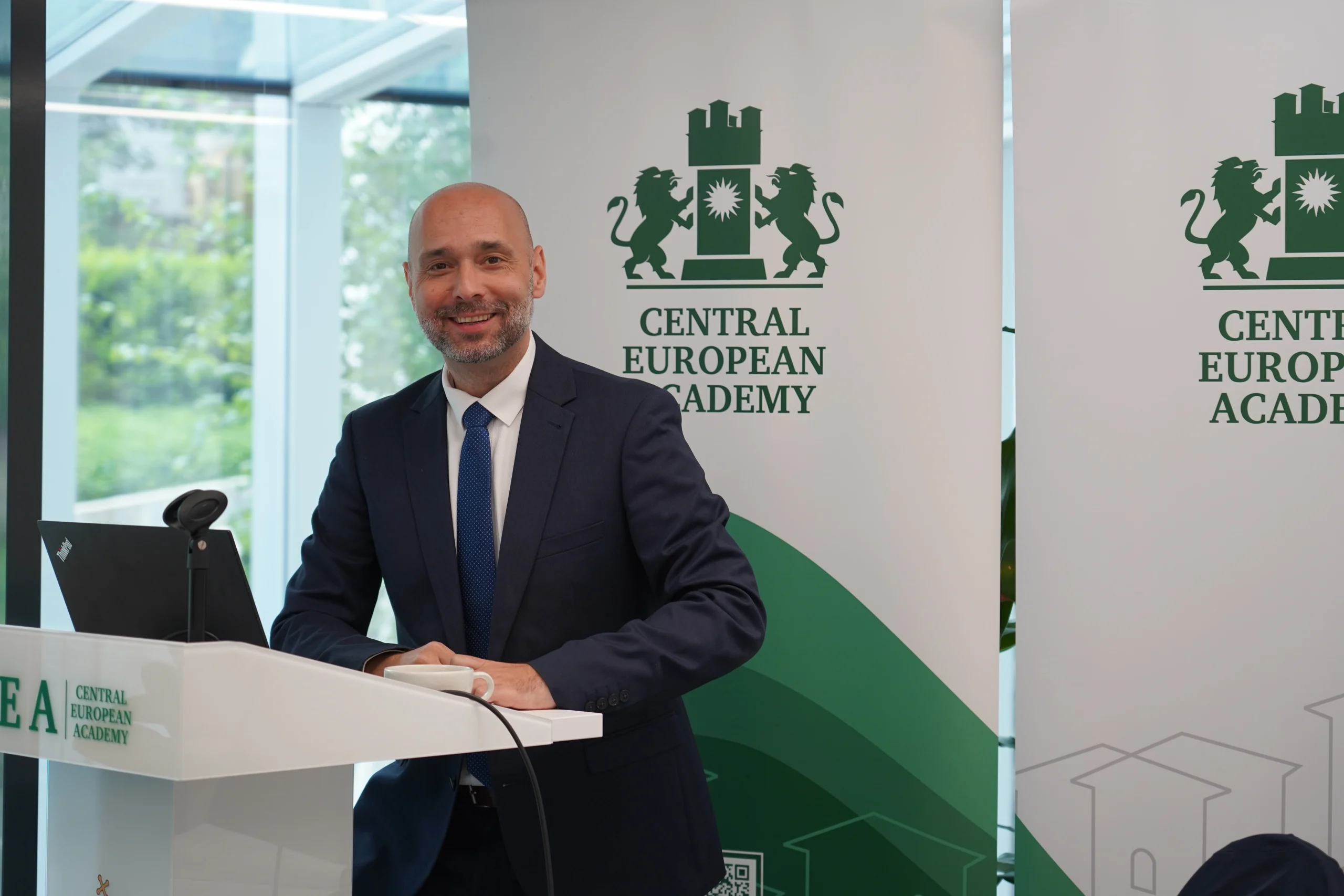

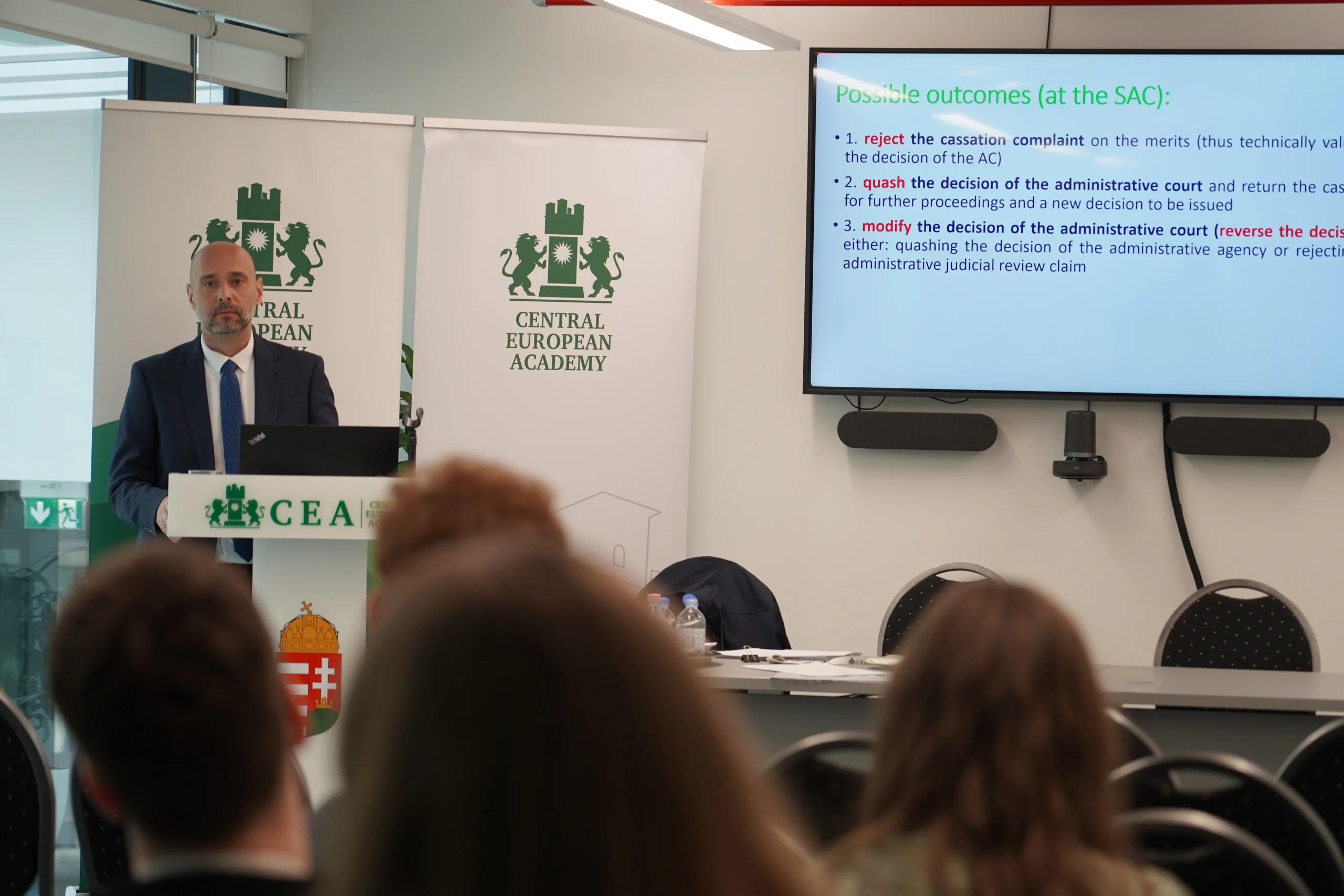
Photo: CEA Press